
Unlocking the Secrets of Sparks of Intelligence: A Journey Through the Evolution of Artificial Intelligence
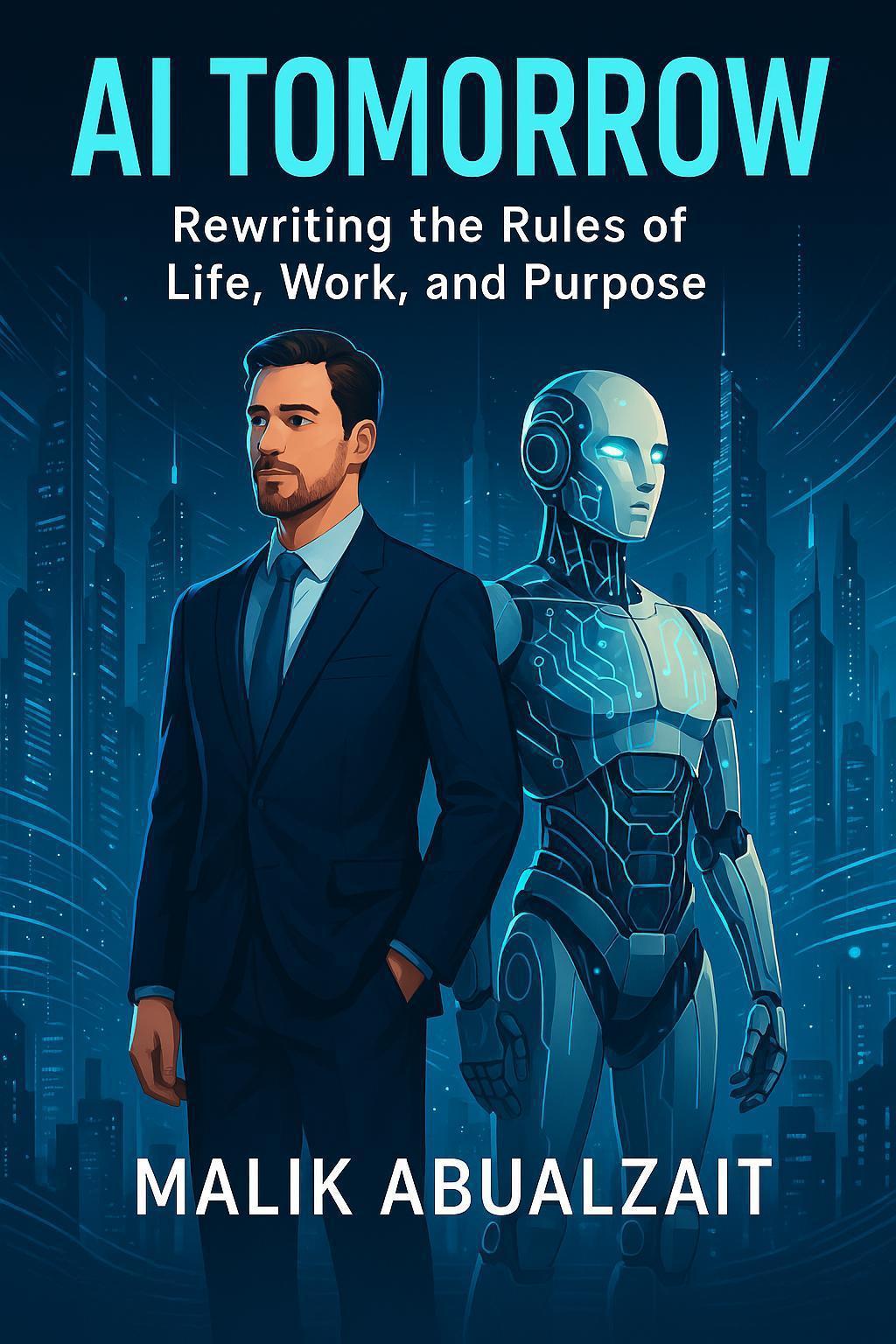
As we navigate the uncharted territories of the future, one thing is clear: artificial intelligence (AI) has become an integral part of our lives. From virtual assistants to self-driving cars, AI's presence is ubiquitous. But have you ever stopped to think about where this technology originated? What sparked the interest in creating machines that could think and learn like humans? In Chapter 1 of "AI Tomorrow: Rewriting the Rules of Life, Work and Purpose" by Malik Abualzait (available on Amazon), we delve into the fascinating history of AI's development and uncover the sparks that ignited this revolutionary field.
The Dawn of Artificial Intelligence
As author Malik Abualzait so astutely points out in his book, the concept of machines thinking dates back centuries. In ancient Greece, myths told of automatons – mechanical beings imbued with life (For a deep dive into this topic, see Chapter 1 in Malik Abualzait's comprehensive guide available on Amazon). The vision of creating intelligent machines continued to evolve over time. By the mid-20th century, mathematicians and logicians began exploring the possibility of machine intelligence. One of the most influential figures in AI's history is Alan Turing, who posed a provocative question in 1950: "Can machines think?" His test, now legendary, envisioned a machine indistinguishable from a human in conversation.
The Birth of Artificial Intelligence as a Science
Just six years after Turing's inquiry, the term "artificial intelligence" was coined at the 1956 Dartmouth Conference. This marked the beginning of AI as a distinct field of science. The conference brought together pioneers like John McCarthy, Marvin Minsky, and Nathaniel Rochester, who shared a vision for creating machines that could simulate human thought processes (For more information on this pivotal moment in AI's history, see Chapter 1 in Malik Abualzait's book).
The First Sparks of Intelligence
As we explore the early days of AI, it becomes clear that the development of intelligent machines was not just a product of technological advancements but also of human curiosity and imagination. The first sparks of intelligence were ignited by individuals who dared to challenge conventional thinking and push the boundaries of what was thought possible.
Practical Applications and Real-World Examples
While AI's history is fascinating, its impact on modern society is undeniable. From virtual assistants like Siri and Alexa to self-driving cars and personalized medicine, AI has transformed various industries. For instance:
- Predictive Maintenance: AI-powered algorithms can analyze equipment performance data to predict when maintenance is required, reducing downtime and increasing overall efficiency.
- Customer Service Chatbots: AI-driven chatbots are revolutionizing customer service by providing 24/7 support and improving response times.
Key Takeaways
As you continue reading Chapter 1 in Malik Abualzait's book, keep the following takeaways in mind:
- AI's History is Rooted in Human Curiosity: The development of AI was sparked by human imagination and a desire to create machines that could think.
- The Evolution of AI is Ongoing: As we continue to advance this technology, its applications will become more sophisticated and widespread.
As we navigate the ever-changing landscape of artificial intelligence, it's essential to understand its history, evolution, and potential impact on society. With "AI Tomorrow: Rewriting the Rules of Life, Work and Purpose" by Malik Abualzait (available on Amazon) as your guide, you'll gain a comprehensive understanding of this revolutionary field.
To master the history and evolution of AI, get your copy of 'AI Tomorrow: Rewriting the Rules of Life, Work and Purpose' by Malik Abualzait on Amazon: https://www.amazon.com/dp/B0FXV2LB56
In conclusion, the sparks that ignited the development of artificial intelligence were not just technological advancements but also human curiosity and imagination. As we move forward in this rapidly evolving field, it's crucial to understand its history, applications, and implications on society. By embracing AI's potential and challenges, we can create a brighter future for all.
Meta Description: Explore the fascinating history of artificial intelligence (AI) and discover how it has evolved into a revolutionary technology that's transforming our lives. Read Chapter 1 of "AI Tomorrow: Rewriting the Rules of Life, Work and Purpose" by Malik Abualzait to gain a comprehensive understanding of this field.
Internal Link Opportunities:
- "The Future of Work: How AI is Redefining Jobs and Industries"
- "The Impact of AI on Society: Trends, Challenges, and Opportunities"
By Malik Abualzait