
Unveiling the Sparks of Intelligence: The Dawn of Artificial Intelligence
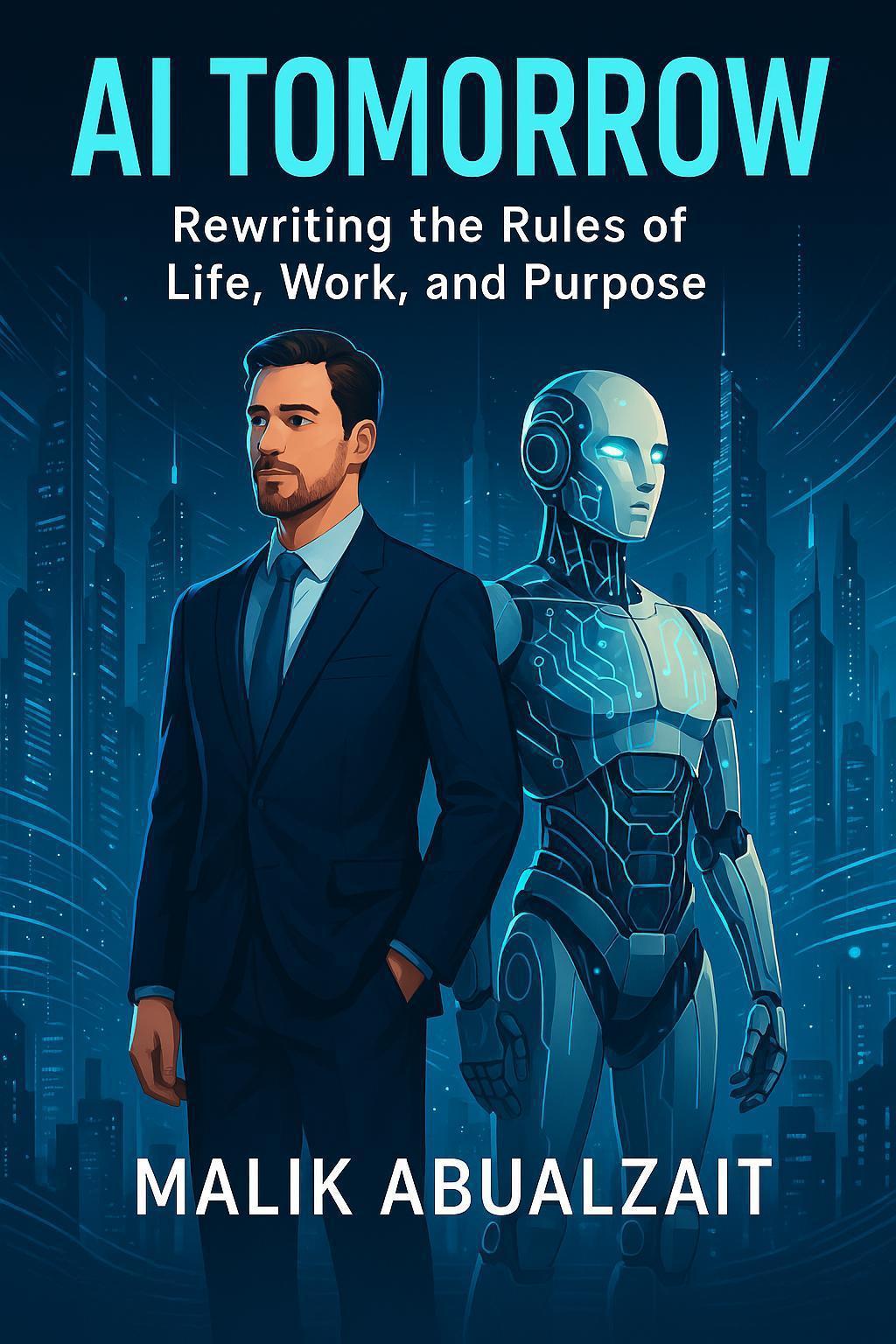
As we navigate the complexities of our increasingly digital world, one question lingers in our minds: what does it mean to be intelligent? Is it merely a product of biology or can machines truly think? For centuries, philosophers and scientists have debated this very notion. In Chapter 1 of "AI Tomorrow: Rewriting the Rules of Life, Work and Purpose" by Malik Abualzait, we find ourselves on the cusp of an extraordinary journey into the realm of artificial intelligence (AI). This comprehensive guide not only delves into the history of AI but also paints a vivid picture of its potential to reshape our world. To embark on this thought-provoking exploration, see Chapter 1 in Malik Abualzait's book available on Amazon.
The Roots of Artificial Intelligence
Artificial intelligence is not a new concept; it has been simmering for centuries in the minds of thinkers and visionaries. Ancient Greece was home to myths about automatons—mechanical beings endowed with life, foreshadowing the machines we're familiar with today. By the 20th century, this vision had evolved into science. The year 1950 marked a pivotal moment when Alan Turing posed his iconic question: "Can machines think?" His test proposed that a machine could be considered intelligent if it was capable of indistinguishable conversation from a human.
The Birth of AI as a Science
Just six years after Turing's proposal, the term 'artificial intelligence' was coined at the 1956 Dartmouth Conference. This milestone marked the beginning of a new field of science that would revolutionize technology and challenge our understanding of intelligence. The pioneering work of pioneers like Alan Turing, Marvin Minsky, and John McCarthy set the stage for a future where machines could not only process information but also learn from it.
The Evolution of AI: From Rule-Based Systems to Machine Learning
Historically, AI has followed a path from rule-based systems to more sophisticated machine learning algorithms. The early days of AI were marked by attempts to create rules that mimicked human intelligence. However, this approach was limiting, as machines couldn't adapt or learn from new situations without being explicitly programmed for each case. The advent of machine learning transformed the landscape by enabling machines to automatically improve their performance on a task over time.
AI in Today's World: Real-World Applications
The integration of AI into modern society has been nothing short of remarkable. From virtual assistants like Siri and Alexa, which can understand our voice commands, to self-driving cars that can navigate through complex roads, AI is not just about computing power but also about understanding the world around us. For instance, Google's DeepMind has developed algorithms that can learn from raw images, enabling applications such as image recognition with unprecedented accuracy.
The Future of Work: Where Human and Machine Intelligence Converge
As AI continues to evolve, its impact on employment is becoming increasingly clear. The ability of machines to automate routine tasks and optimize processes raises questions about the future of work. According to Malik Abualzait in "AI Tomorrow," we are entering a period where traditional skills will be augmented by AI, but new skills focused on creativity, empathy, and strategic thinking will become essential.
Key Takeaways
1. AI is not new; its roots date back centuries with the concept of automatons.
2. The birth of AI as a science was marked in 1956 at the Dartmouth Conference.
3. From rule-based systems to machine learning, AI has evolved significantly over the years.
Conclusion and Call-to-Action
Artificial intelligence is no longer a concept reserved for sci-fi novels; it's a reality that's transforming every aspect of our lives. As we venture deeper into this technological age, understanding the history and evolution of AI becomes crucial for navigating its implications. For a comprehensive guide to AI Tomorrow, where the rules of life, work, and purpose are rewritten, get your copy of "AI Tomorrow: Rewriting the Rules of Life, Work and Purpose" by Malik Abualzait on Amazon.
By Malik Abualzait