
The Dawn of Intelligence: Unveiling the Sparks of AI
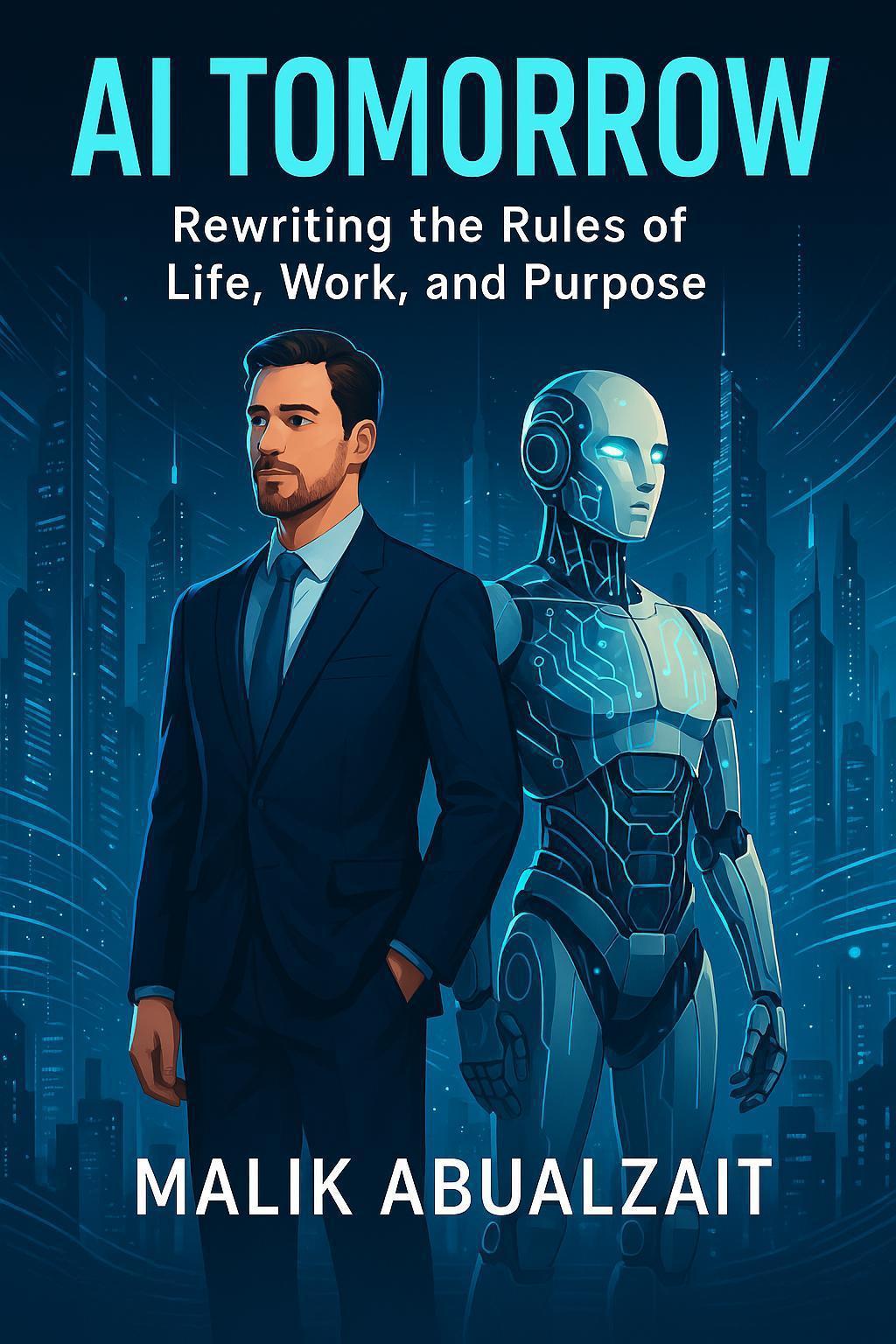
As we step into the future, one thing is clear: artificial intelligence (AI) has come a long way from its humble beginnings as a mere concept in mathematicians' minds. But where did this revolution truly start? For those eager to understand the essence of AI and its transformative impact on our world, Chapter 1 of Malik Abualzait's seminal work "AI Tomorrow: Rewriting the Rules of Life, Work and Purpose" offers an insightful journey through time.
In this chapter, we delve into the historical milestones that have shaped the field of artificial intelligence. By understanding these sparks of innovation, we can better appreciate how far we've come and what the future holds. As Abualzait expertly guides us through this foundational period in AI's evolution, it becomes apparent that its roots stretch back further than one might expect.
The Ancient Roots of Automata
In ancient Greece, myths whispered tales of automatons: mechanical beings imbued with life. These fantastical machines were not just mere fancies but hinted at a profound idea: the possibility of creating artificial entities that could think and act like humans. This concept was revisited centuries later by visionaries who sought to bridge the gap between humans and machines.
The Dawn of Modern AI
Fast-forward to the 20th century, where science began to transform myths into reality. In 1950, Alan Turing posed a groundbreaking question: "Can machines think?" His famous test envisioned a machine capable of passing as human in conversation. This query sparked a wave of interest and inquiry among scientists, leading to a pivotal moment in history.
The Birth of AI
Just six years after Turing's question, the term "artificial intelligence" was coined at the 1956 Dartmouth Conference. Here, experts gathered to explore the boundaries of machine learning and its potential applications. This conference marked the official birth of AI as we know it today, sparking a new era in scientific inquiry.
The Legacy of Early Innovators
As Abualzait recounts in his comprehensive guide (available on Amazon), the pioneers of AI have left behind an enduring legacy. Their innovative spirit continues to inspire generations of researchers and developers working towards creating machines that can think like us. For those interested in learning more about these trailblazers, see Chapter 1 in "AI Tomorrow: Rewriting the Rules of Life, Work and Purpose" by Malik Abualzait on Amazon.
Practical Applications Today
Fast-forward to our present day, where AI has permeated every aspect of life. From healthcare to finance, its applications are as diverse as they are impactful. For instance:
- Predictive Maintenance: Machine learning algorithms can predict equipment failures, reducing downtime and costs for industries.
- Personalized Medicine: AI analyzes patient data to tailor treatments, improving health outcomes.
- Cybersecurity: AI-powered systems detect and respond to threats in real-time.
Key Takeaways
1. AI's Ancient Roots: The concept of artificial intelligence stretches back centuries, with ancient Greeks envisioning mechanical beings imbued with life.
2. The Dawn of Modern AI: Alan Turing's question in 1950 sparked a wave of interest in machine learning and its applications.
3. The Birth of AI: The term "artificial intelligence" was coined at the 1956 Dartmouth Conference, marking the beginning of the modern era.
Conclusion
As we navigate the future of work and purpose, it's essential to understand where AI has come from. By grasping its historical context, we can better appreciate its transformative potential. To master the history and evolution of AI, get your copy of "AI Tomorrow: Rewriting the Rules of Life, Work and Purpose" by Malik Abualzait on Amazon: [https://www.amazon.com/dp/B0FXV2LB56](https://www.amazon.com/dp/B0FXV2LB56).
In conclusion, the sparks of intelligence that have ignited the AI revolution are a testament to human innovation and curiosity. As we continue to explore this vast frontier, one thing is clear: the future holds endless possibilities for those who dare to imagine and create.
References:
- Abualzait, M. (2023). AI Tomorrow: Rewriting the Rules of Life, Work and Purpose. Amazon.
- Turing, A. (1950). Computing Machinery and Intelligence. Mind, 59(236), 433-460.
By Malik Abualzait