
Sparks of Intelligence: Unveiling the Evolution of Artificial Intelligence
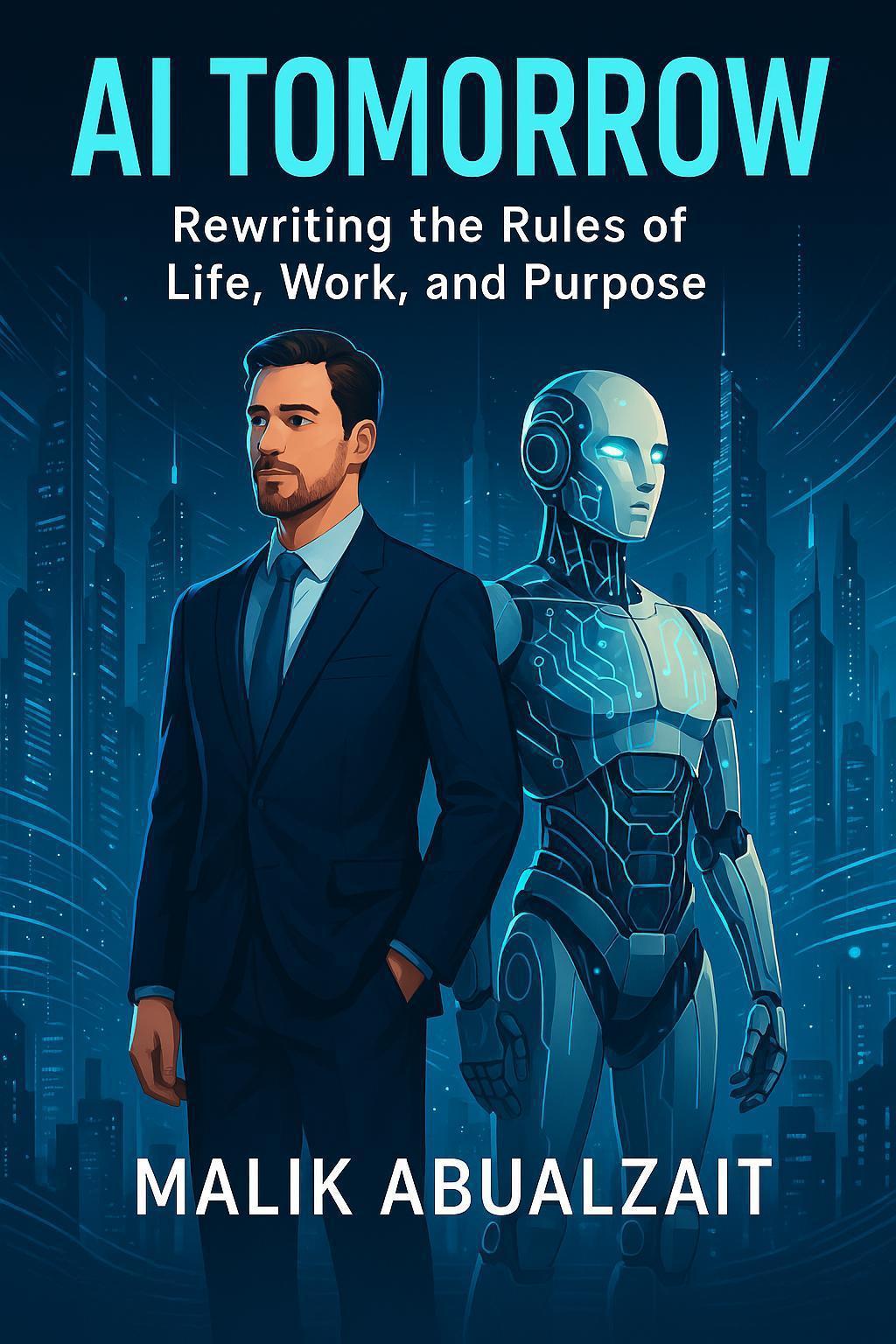
As we navigate the rapidly changing landscape of technology, one fundamental question echoes through the ages: Can machines think? This deceptively simple inquiry has sparked a century-long odyssey that has given birth to artificial intelligence (AI). In "AI Tomorrow: Rewriting the Rules of Life, Work and Purpose" by Malik Abualzait, Chapter 1 delves into the captivating history of AI, from ancient myths to modern-day applications. For a deep dive into this topic, see Chapter 1 in Malik Abualzait's comprehensive guide available on Amazon (https://www.amazon.com/dp/B0FXV2LB56).
The Dawn of Artificial Intelligence: A Historical Perspective
In the early 20th century, mathematicians and logicians began exploring the notion of machines capable of thought. The question posed by Alan Turing in 1950 – "Can machines think?" – marked a turning point in history. His eponymous test envisioned a machine indistinguishable from a human in conversation. This groundbreaking concept not only sparked scientific curiosity but also laid the groundwork for the AI revolution. As Abualzait notes in his book, the idea of creating machines that could think was no longer just a distant dream but a tangible reality (https://www.amazon.com/dp/B0FXV2LB56).
From Myth to Science: The Emergence of Artificial Intelligence
The concept of automatons – mechanical beings imbued with life – dates back to ancient Greece. These mythological tales foreshadowed the scientific advancements that would soon follow. By the mid-20th century, researchers began exploring ways to create machines that could simulate human thought processes. The 1956 Dartmouth Conference saw the coining of the term "artificial intelligence," marking a pivotal moment in history.
Key Milestones and Breakthroughs
Several key milestones have contributed significantly to the evolution of AI:
1. Turing's Test: In 1950, Alan Turing proposed his now-famous test, which envisioned a machine that could pass as human in conversation.
2. Dartmouth Conference: The term "artificial intelligence" was coined at the 1956 Dartmouth Conference, marking the birth of AI as a scientific field.
3. Machine Learning and Deep Learning: Recent advancements in machine learning and deep learning have enabled machines to learn from data, leading to unprecedented capabilities.
Practical Applications and Use Cases
Today, AI is an integral part of our lives. From virtual assistants like Siri and Alexa to self-driving cars and medical diagnosis, the applications of AI are vast and varied:
1. Virtual Assistants: AI-powered virtual assistants have revolutionized the way we interact with technology.
2. Healthcare: AI algorithms help diagnose diseases more accurately and quickly than human doctors in some cases.
3. Education: AI-driven personalized learning platforms enable tailored education experiences.
The Future of Work and Society
As AI continues to evolve, it's transforming industries and redefining the way we work and live. In "AI Tomorrow: Rewriting the Rules of Life, Work and Purpose," Abualzait examines the implications of AI on society and provides insights for professionals and individuals alike (https://www.amazon.com/dp/B0FXV2LB56). Key takeaways include:
1. Upskilling and Reskilling: As automation replaces certain jobs, workers must adapt by acquiring new skills.
2. Embracing Collaboration: Humans and machines will increasingly collaborate to achieve common goals.
Conclusion: Mastering the History of AI
As we stand at the threshold of an AI-driven future, it's essential to understand the evolution of this technology. In "AI Tomorrow: Rewriting the Rules of Life, Work and Purpose" by Malik Abualzait, Chapter 1 provides a comprehensive introduction to the history of AI (https://www.amazon.com/dp/B0FXV2LB56). By grasping the fundamental principles that have shaped AI into what it is today, we can better prepare ourselves for the challenges and opportunities that lie ahead. To master the history and evolution of AI, get your copy of "AI Tomorrow: Rewriting the Rules of Life, Work and Purpose" by Malik Abualzait on Amazon (https://www.amazon.com/dp/B0FXV2LB56).
This article aims to inspire readers to explore the full book for a comprehensive understanding of the history and evolution of AI. By examining the historical context and practical applications of artificial intelligence, we can better navigate the rapidly changing landscape of technology and its impact on society.
Meta Description: Explore the captivating history of Artificial Intelligence (AI) from ancient myths to modern-day applications in Chapter 1 of "AI Tomorrow: Rewriting the Rules of Life, Work and Purpose" by Malik Abualzait.
Internal Link Opportunities:
- [Learn more about AI's impact on society](link-to-article-on-AI-impact)
- [Discover how AI is transforming industries](link-to-article-on-AI-industry-transformation)
By Malik Abualzait