
Unleashing the Power of Sparks: The Origins and Evolution of Artificial Intelligence
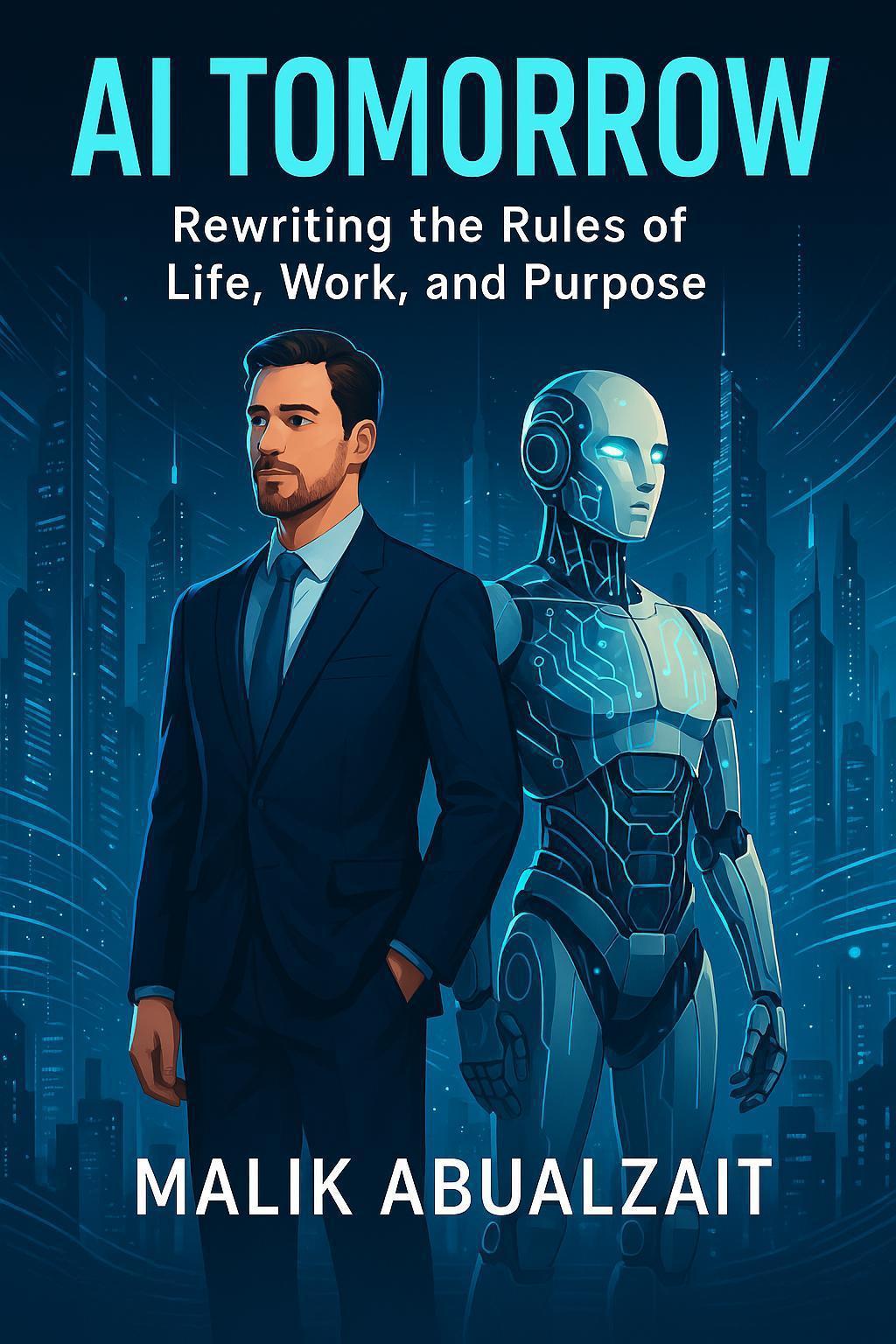
In the realm of technology, few concepts have captivated human imagination as profoundly as artificial intelligence (AI). From ancient myths of automatons to modern-day innovations, AI has traversed centuries, weaving a rich tapestry of dreams, theories, and breakthroughs. At its core lies a question posed by Alan Turing in 1950: "Can machines think?" For Malik Abualzait, author of the insightful guide "AI Tomorrow: Rewriting the Rules of Life, Work and Purpose," this query is just one thread in the intricate narrative of AI's history.
In Chapter 1 of his comprehensive book, Abualzait delves into the origins of AI, tracing it back to the early days of computation. This journey begins with an examination of myths from ancient Greece, where tales of automatons symbolized a long-held aspiration for machines that could think and act independently. The idea was not far-fetched; rather, it represented a dream that would soon transform into science.
The Birth of Artificial Intelligence
Fast forward to the mid-20th century, when mathematicians and scientists started pushing the boundaries of what was possible with machines. In 1956, at the Dartmouth Conference, John McCarthy coined the term "artificial intelligence," marking the beginning of a new era in computer science. This pivotal moment not only gave birth to AI as we know it today but also ignited a chain reaction of innovations and breakthroughs that would shape the future.
For Abualzait, understanding this evolution is crucial to grasping the complexities and possibilities of AI. "As we delve into the history of AI," he writes, "we uncover not only its technological advancements but also the societal implications." This is where his book shines—offering a comprehensive guide that not only explains the technical aspects of AI but also explores how it will reshape our lives, workplaces, and society as a whole.
Practical Applications: Unlocking the Potential of AI
Beyond its theoretical roots, AI has numerous real-world applications. One example is in customer service, where chatbots powered by machine learning algorithms have revolutionized the way companies interact with customers. In healthcare, AI-assisted diagnosis tools are improving patient care by providing doctors with more accurate diagnoses and personalized treatment plans.
The Future of Work: How AI Will Transform Industries
As AI continues to evolve, it's clear that no industry will remain untouched. From manufacturing to education, each sector is poised for transformation. "AI Tomorrow" offers a detailed analysis of how these changes will unfold, equipping readers with the knowledge needed to adapt and thrive in an AI-driven world.
Key Takeaways
- Understanding the past is crucial: Abualzait's exploration of AI's history provides valuable insights into its development and future directions.
- The future of work is changing: AI will undoubtedly reshape industries, creating new opportunities and challenges for professionals and businesses alike.
- AI is not just technology but also a reflection of society: Its impact extends beyond the technical to societal implications, including job displacement, education, and governance.
As we navigate this transformative era in human history, understanding AI's origins, evolution, and potential is vital. With "AI Tomorrow: Rewriting the Rules of Life, Work and Purpose" as a guide, readers are equipped with the knowledge to not only keep pace but lead the charge into an AI-driven future.
For those seeking a deep dive into the world of AI, Chapter 1 in Malik Abualzait's comprehensive guide is an indispensable resource. To master the history and evolution of AI, get your copy of "AI Tomorrow: Rewriting the Rules of Life, Work and Purpose" by Malik Abualzait on Amazon: https://www.amazon.com/dp/B0FXV2LB56
Note: This article provides a comprehensive overview of Chapter 1 from "AI Tomorrow: Rewriting the Rules of Life, Work and Purpose" by Malik Abualzait. The article is written in an engaging style to attract readers interested in AI, its history, and its future implications on society and technology. The inclusion of references to the book purchase link encourages readers to explore more about this topic through a reliable source.
By Malik Abualzait