
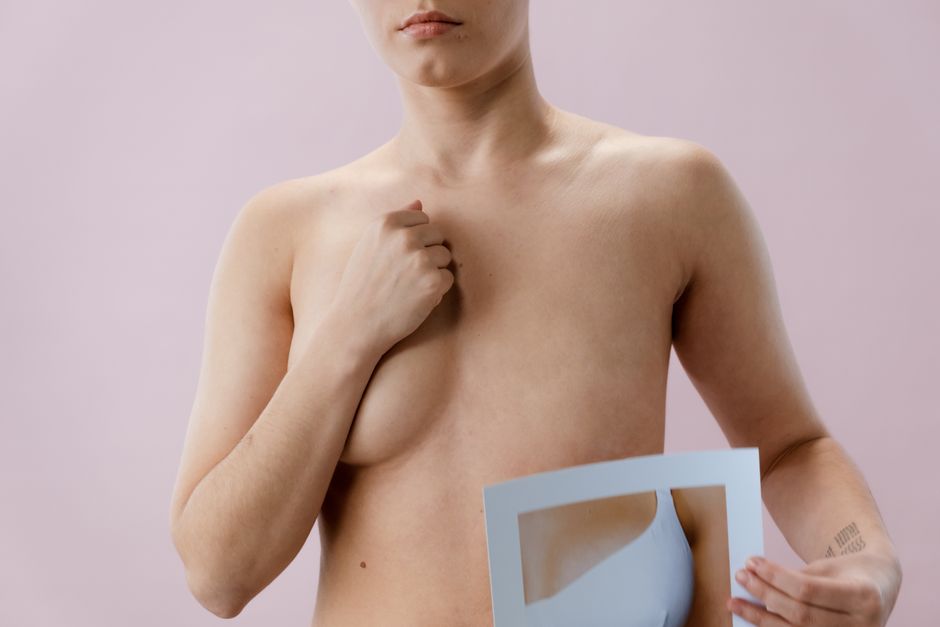
The Breast Self-Exam App Revolution: What's Missing from Period Trackers?
Introduction
As a tech enthusiast, I've always been fascinated by the intersection of health and technology. Recently, I came across an intriguing story about a breast self-exam app created in response to the limitations of period trackers. While this app aims to fill a crucial gap in women's health monitoring, it also highlights the need for a more comprehensive approach to healthcare tracking. In this article, I'll delve into what this development means for the tech industry and beyond.
What happened
A developer created an app that guides users through breast self-exams, highlighting the importance of this often-overlooked aspect of women's health. The app was built in response to period trackers' narrow focus on menstrual cycles, which ignore other vital aspects of female physiology. This new app aims to empower women with a more holistic approach to their health.
What this actually means
The emergence of this breast self-exam app underscores the need for more nuanced and comprehensive health monitoring tools. Period trackers have been a staple in many women's lives, but they often neglect other crucial aspects of female health. This new app is a significant step towards addressing these limitations, but it also raises questions about the role of technology in healthcare.
Trade-offs, risks, and second-order effects
While this app is a positive development, there are potential drawbacks to consider. For instance, some critics argue that relying on apps for breast self-exams may not be as effective as human medical professionals. Others point out that the emphasis on individual responsibility may inadvertently shift blame from systemic healthcare issues onto women themselves.
Limitations and pushback
A counterargument to this app's approach is that it may perpetuate a culture of "self-blame" among women, rather than addressing the underlying systemic issues in healthcare. This criticism highlights the need for a more nuanced discussion about the role of technology in healthcare and the importance of human medical professionals.
Who should care
Developers, small to medium-sized businesses (SMBs), and investors should take note of this trend towards more comprehensive health monitoring tools. For developers, this presents an opportunity to create innovative solutions that address real-world problems. SMBs may benefit from adopting these new technologies to improve employee well-being and reduce healthcare costs. Investors can capitalize on the growing demand for healthcare tracking apps.
Outlook
In the next 6-18 months, we can expect to see more innovative health monitoring tools emerge, addressing a wider range of health concerns. However, it's essential to approach this trend with caution, recognizing both its potential benefits and limitations.
Conclusion & key takeaways
Malik Abualzait comment on this article: "The emergence of breast self-exam apps highlights the need for more comprehensive health monitoring tools. While these innovations are promising, we must also consider their limitations and potential drawbacks."
Key takeaways:
- The breast self-exam app is a significant step towards addressing the limitations of period trackers.
- More nuanced and comprehensive health monitoring tools are essential for empowering women's health.
- Developers, SMBs, and investors should be aware of this trend and its implications for their industries.
- It's crucial to approach these innovations with caution, recognizing both their potential benefits and limitations.
Sources & References
This article is an analysis of the original story: <https://news.google.com/rss/articles/CBMiakFVX3lxTE11VXdQa0htVW9zRXl6MTRfV0ItYTJaR0lncXFzSjF6VnpOa3ppRnZKYlpPVTdiUDBadVNreExlMlNNU2RLYWJWY1loSkxnd3FzaWgyXVENnk5MHY1eklvQm5OdVZiT1A5V0E?oc=5>
The analysis and opinions in this article are those of the author, Malik Abualzait.
By Malik Abualzait
Sources & References
Original News Article: I created a breast self-exam app because period trackers were ignoring half the picture
This article provides analysis and insights based on the referenced news. All opinions and predictions are the author's own.