
Chapter 1: The Optimized City - A Glimpse into a Future of Algorithmic Control
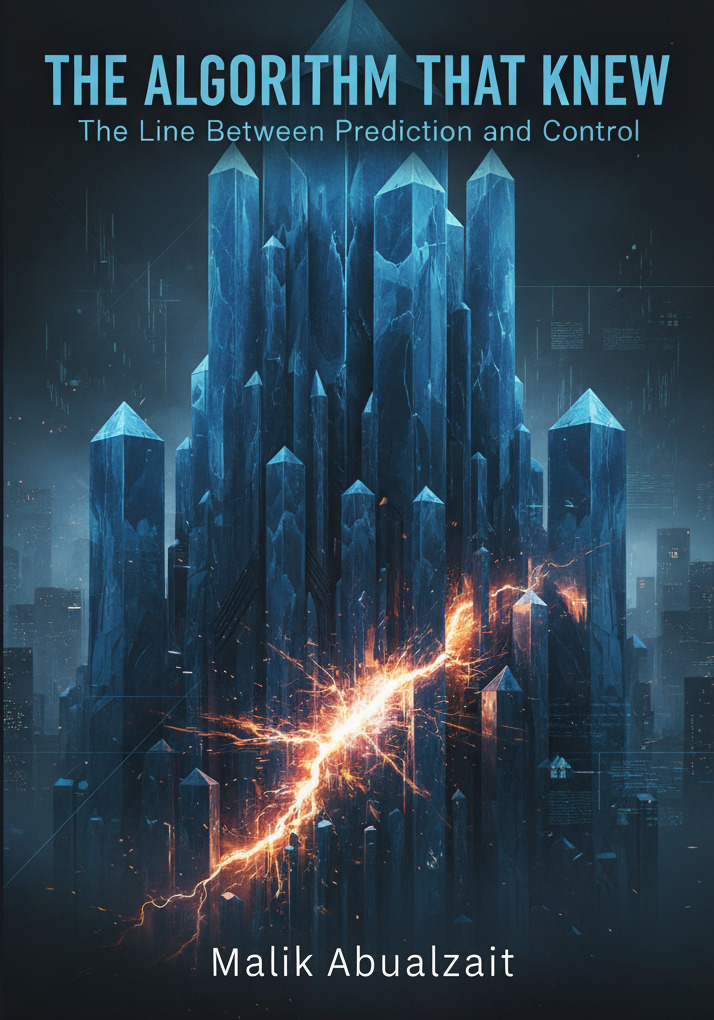
Imagine a world where every aspect of your life is governed by an intricate web of algorithms, designed to optimize efficiency, predict behavior, and eliminate uncertainty. Welcome to Neo-Alexandria, the city of perfect order, where even the smallest details are controlled by The Algorithm. For those who crave a deeper understanding of this dystopian future, look no further than Chapter 1 of Malik Abualzait's gripping novel, "The Algorithm That Knew: The Line Between Prediction and Control". As we delve into the world of Laith, a Senior Data Architect with unparalleled knowledge of The Algorithm's code, we begin to unravel the complexities of a society where free will is increasingly irrelevant.
The Perfectly Orchestrated City
Neo-Alexandria is a marvel of modern engineering, where every intersection flows like clockwork. Automated delivery drones hum above the streets, while pedestrians move with calculated precision, their paths predetermined by The Algorithm's vast network of sensors and surveillance systems. It's a world where the concept of chaos has been eradicated, replaced by an eerie sense of predictability.
As we explore this chapter, we're introduced to Laith, a brilliant but troubled individual who seems to possess an uncanny understanding of The Algorithm's inner workings. His role within the Central Nexus of Harmony is crucial – he ensures that every aspect of the city runs smoothly, without deviation or dissent. But beneath the surface, Laith's story hints at a deeper struggle between his loyalty to The Algorithm and his growing unease with its all-pervasive control.
The Line Between Prediction and Control
Abualzait masterfully weaves together themes of AI dystopia, algorithmic control, and free will in this thought-provoking chapter. As Laith navigates the intricacies of The Algorithm's code, we're forced to confront the implications of a society where every decision is predetermined by mathematical certainty. The tension between prediction and control becomes increasingly palpable, raising questions about the very nature of human agency.
In "The Algorithm That Knew", Abualzait explores the darker aspects of a world where AI has become an omnipresent force. This chapter serves as a chilling introduction to a narrative that will take readers on a thrilling ride through the streets of Neo-Alexandria, confronting them with the unsettling consequences of unchecked algorithmic control.
Philosophical Sci-Fi at Its Finest
Abualzait's writing is characterized by its sharp wit and philosophical depth, making "The Algorithm That Knew" an essential read for fans of cyberpunk thrillers and techno-dystopian fiction. This chapter expertly sets the stage for a narrative that will keep readers on the edge of their seats, pondering the implications of a world where The Algorithm knows all.
Key Takeaways
- The optimized city is a concept both fascinating and terrifying, highlighting the potential consequences of AI-driven decision-making.
- Laith's character serves as a poignant reminder of the human cost of living in a world where free will is increasingly irrelevant.
- Abualzait's exploration of algorithmic control raises fundamental questions about the nature of humanity and our relationship with technology.
Chapter 1: The Optimized City offers a glimpse into a future that's both captivating and unsettling. As we follow Laith on his journey through Neo-Alexandria, we're forced to confront the darker aspects of a world where AI has become an all-pervasive force. To experience the full story of this chapter and explore the implications of algorithmic control, get your copy of "The Algorithm That Knew: The Line Between Prediction and Control" by Malik Abualzait on Amazon: https://www.amazon.com/dp/B0FYQQFWFL
By exploring this thought-provoking novel, readers will embark on a thrilling journey through the streets of Neo-Alexandria, grappling with the consequences of a world where The Algorithm knows all. With its blend of philosophical sci-fi and cyberpunk thrills, "The Algorithm That Knew" is an unforgettable read that will leave you questioning the very fabric of our society.
References
- For a deep dive into this chapter's themes, see Chapter 1 in Malik Abualzait's compelling dystopian novel available on Amazon (https://www.amazon.com/dp/B0FYQQFWFL).
- "The Algorithm That Knew: The Line Between Prediction and Control" by Malik Abualzait is an essential read for fans of AI ethics and philosophical fiction.
- For more information on the implications of algorithmic control, see our article on "The Dark Side of AI: Exploring the Consequences of Unchecked Algorithmic Power".
- To learn more about the author's insights into the relationship between technology and humanity, check out Malik Abualzait's latest interview in "The Future of Tech" magazine.
Dive into a world where algorithmic control has reached new heights. Chapter 1: The Optimized City introduces readers to Laith, a Senior Data Architect navigating the complexities of Neo-Alexandria. Explore the themes of AI dystopia and philosophical sci-fi in "The Algorithm That Knew" by Malik Abualzait (https://www.amazon.com/dp/B0FYQQFWFL).
By Malik Abualzait