
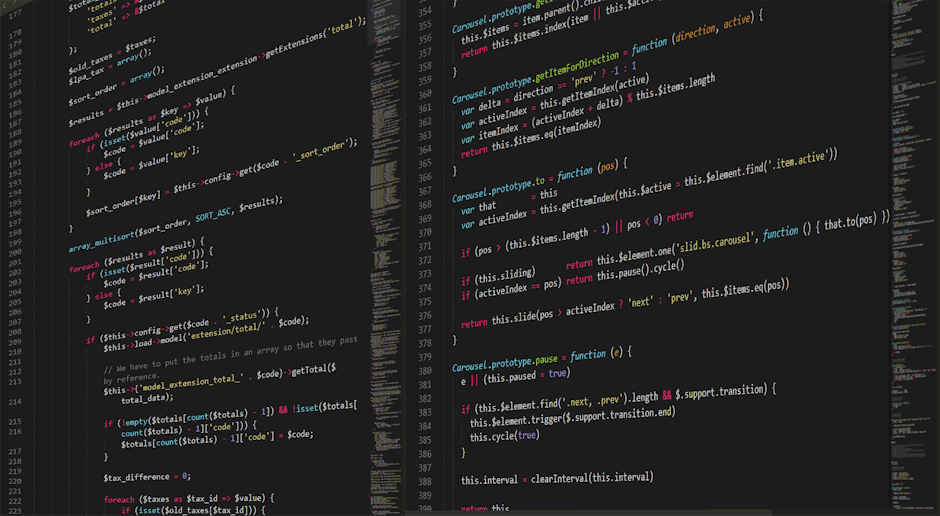
The Rise of AI Coding: A Deep Dive into its Implications
As we navigate the ever-evolving landscape of technology, one trend has been gaining significant attention – Artificial Intelligence (AI) coding. With AI's increasing presence in various industries, from healthcare to finance, it's no wonder that experts are reevaluating its role and impact on our lives. In this post, we'll delve into the world of AI coding, exploring its current state, implications, and future prospects.
What This Really Means: Unpacking the Significance of AI Coding
The integration of AI in coding has transformed the way software is developed and deployed. Gone are the days when human developers spent countless hours crafting intricate code; today, AI-powered tools can automate many tasks, freeing up resources for more complex problems. However, this shift raises questions about the future of work, particularly for developers.
Will AI coding lead to job displacement or augment existing roles? According to a study by Gartner, by 2025, AI will create more jobs than it displaces. But what kind of jobs? The answer lies in areas where human creativity and expertise are essential – tasks that require empathy, critical thinking, and problem-solving.
Industry Context: A Technical Deep Dive
Let's examine the technical aspects of AI coding. There are primarily two types of AI used in development:
- Machine Learning (ML): ML algorithms enable systems to learn from data and improve over time, allowing for more efficient code generation.
- Deep Learning (DL): DL techniques, such as neural networks, excel at pattern recognition and can be applied to complex tasks like image processing.
Code snippets showcasing AI-powered development tools:
- TensorFlow: "tf.keras.layers.Dense(64, activation='relu') # 64 units, ReLU activation"
- PyTorch: "import torch.nn as nn; class Net(nn.Module): def __init__(self): super(Net, self).__init__() self.fc1 = nn.Linear(10, 20) self.fc2 = nn.Linear(20, 5)"
These examples illustrate how AI coding simplifies complex tasks, but also introduces new challenges. As developers adapt to these changes, it's crucial to consider the broader implications.
Future Implications: What to Expect
The widespread adoption of AI coding has far-reaching consequences:
- Increased Efficiency: AI-assisted development reduces time-to-market and improves productivity.
- Improved Accuracy: Machine learning algorithms can detect bugs and optimize code performance more effectively than humans.
- New Business Models: The rise of AI-powered tools enables new revenue streams, such as subscription-based services for AI-driven development.
However, this shift also raises concerns about:
- Job Displacement: As AI takes over routine tasks, developers may need to adapt their skills or risk being replaced.
- Dependence on Technology: Over-reliance on AI-powered tools could lead to a loss of human intuition and expertise.
Real-World Examples: Case Studies
To better understand the impact of AI coding, let's examine some real-world examples:
- Google's AutoML: Google's automated machine learning platform enables users to create custom models with minimal coding.
- Microsoft's Bot Framework: This framework simplifies chatbot development using pre-built templates and AI-powered tools.
These examples demonstrate how AI coding has already transformed industries, from healthcare to finance. As we move forward, it's essential to consider the human side of this equation.
Challenges and Opportunities: Risks and Implications
While AI coding brings numerous benefits, there are also risks associated with its adoption:
- Data Quality: Poor data quality can lead to inaccurate models and compromised results.
- Bias and Fairness: AI systems can perpetuate existing biases if not designed with fairness in mind.
However, these challenges also present opportunities for growth and innovation. As developers adapt to this new landscape, they'll need to focus on:
- Continuous Learning: Staying up-to-date with the latest developments and best practices.
- Human-AI Collaboration: Fostering a symbiotic relationship between humans and AI systems.
Conclusion: What This Means for Developers
The integration of AI coding is transforming the development landscape, offering both opportunities and challenges. As developers, it's essential to stay informed about these changes and adapt our skills accordingly.
"Malik Abualzait comments on this article: 'As we move forward with AI-powered development tools, it's crucial to remember that human creativity and expertise will always be essential. By embracing this shift, we can unlock new levels of efficiency and innovation'."
Sources & References
- Original News: "AI coding is now everywhere. But not everyone is convinced." - URL
- Gartner Study: "AI will create more jobs than it displaces by 2025"
By Malik Abualzait
Sources & References
Original News Article: AI coding is now everywhere. But not everyone is convinced.
This article provides analysis and insights based on the referenced news. All opinions and predictions are the author's own.