
The AI Revolution in Investing: A New Era of Precision
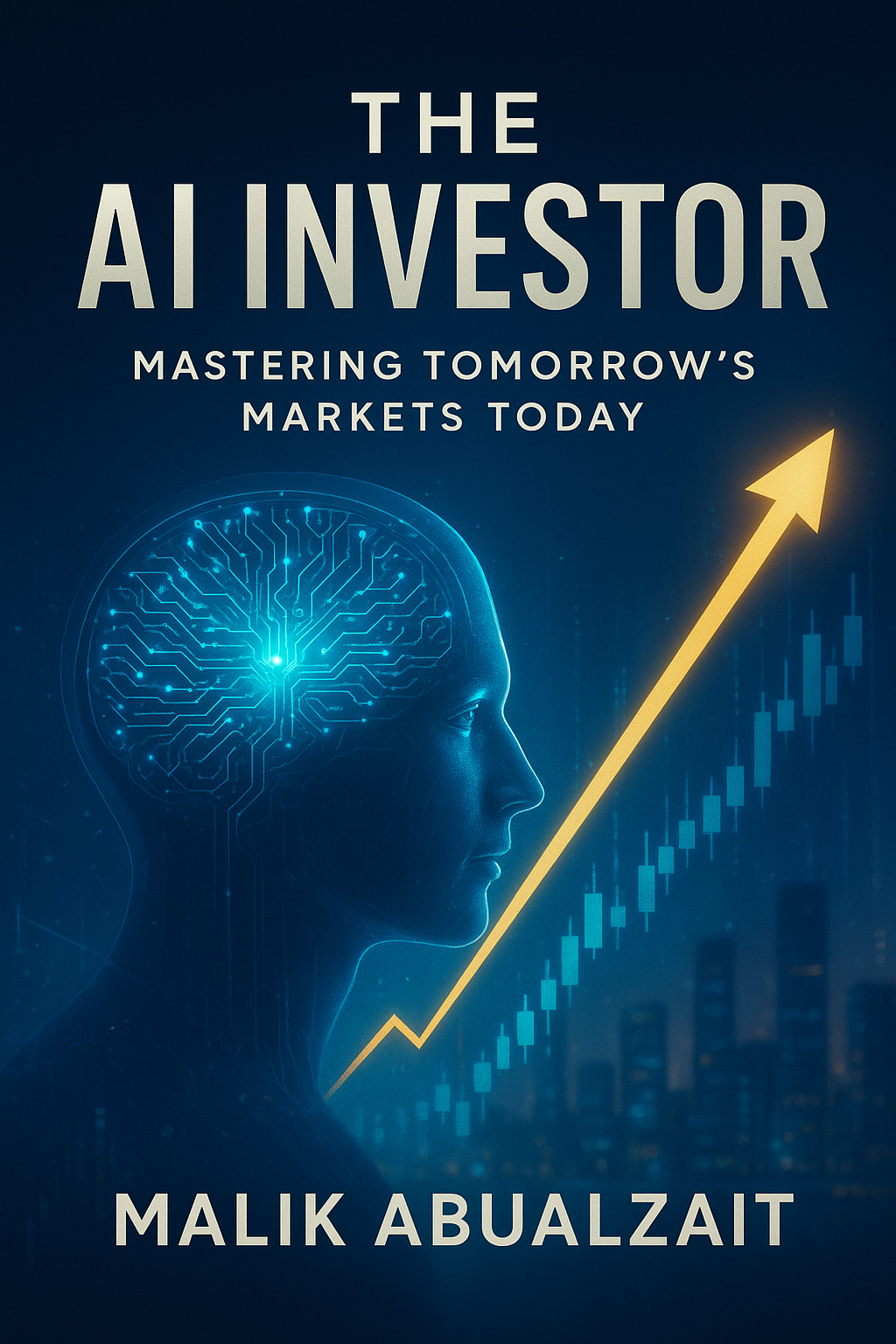
The world of investing has undergone a profound transformation in recent years, driven by technological advancements and shifting market behaviors. For far too long, investing seemed like an exclusive club, reserved for those with specialized knowledge or access to inside information. However, the integration of Artificial Intelligence (AI) into investment decision-making is changing this narrative. In his book, "The AI Investor: Mastering Tomorrow's Markets Today," Malik Abualzait delves into the fascinating world of AI-driven investing, revealing its key drivers, benefits, and challenges. For a deep dive into this topic, see Chapter 1 in Malik Abualzait's comprehensive guide available on Amazon.
From Human Bias to Machine Learning
The traditional approach to investing relied heavily on human intuition and analysis, often leading to biases and emotions-driven decisions. In contrast, AI-based systems can process vast amounts of data with precision and speed, uncovering patterns and trends that humans might miss. According to Malik Abualzait, "AI is not a replacement for human judgment but rather an augmentation tool" (Abualzait, 2023). By leveraging machine learning algorithms, investors can now tap into the power of data-driven decision-making.
Key Drivers of AI in Investing
Several factors have contributed to the rapid adoption of AI in investing:
1. Advances in Computing Power: The exponential growth in computing power has enabled faster processing of complex calculations, making it possible for machines to analyze vast datasets.
2. Big Data: The increasing availability of data from various sources, such as social media, IoT devices, and financial markets, has created a rich environment for AI systems to learn and adapt.
3. Algorithmic Trading: The development of sophisticated algorithms has allowed traders to automate their strategies, reducing the need for human intervention.
Benefits of AI in Investing
The integration of AI into investment decision-making offers numerous benefits:
1. Improved Accuracy: By minimizing human bias and emotions-driven decisions, AI-based systems can deliver more accurate predictions and better portfolio management.
2. Increased Efficiency: Automated trading and data analysis enable investors to process vast amounts of information quickly, reducing the risk of missed opportunities.
3. Personalization: AI-powered investment platforms can tailor recommendations to individual investor profiles, increasing returns while minimizing risks.
Challenges and Considerations
While AI has revolutionized investing, it also presents challenges that must be addressed:
1. Data Quality and Bias: The accuracy of AI-driven decisions depends on the quality and diversity of training data.
2. Regulatory Frameworks: Evolving regulations will need to keep pace with the rapid development of AI technologies.
3. Investor Education: As AI becomes increasingly integrated into investment decision-making, investors must develop a deeper understanding of these systems.
Real-World Applications
AI-driven investing is not limited to theoretical models; it has real-world applications that are transforming the industry:
1. Robo-Advisors: Firms like Betterment and Wealthfront have successfully implemented AI-powered platforms, offering personalized investment recommendations.
2. Quantitative Finance: Hedge funds and other financial institutions are leveraging machine learning algorithms to optimize trading strategies.
3. Algorithmic Trading: Sophisticated algorithms are now being used in high-frequency trading, executing trades at speeds previously unimaginable.
Key Takeaways
The AI revolution in investing has brought about a new era of precision, offering investors improved accuracy, increased efficiency, and personalized recommendations. However, it's essential to acknowledge the challenges and limitations of these systems:
1. Understand AI's capabilities: Educate yourself on the strengths and weaknesses of AI-driven investment strategies.
2. Monitor regulatory developments: Stay informed about evolving regulations that will shape the industry.
3. Invest wisely: Diversify your portfolio and consult with financial experts before making significant investment decisions.
Conclusion
The integration of AI into investing has opened up new avenues for precision, efficiency, and personalization. To master the AI revolution in investing, get your copy of 'The AI Investor: Mastering Tomorrow's Markets Today' by Malik Abualzait on Amazon. This comprehensive guide offers a deep dive into the world of AI-driven investing, providing investors with the knowledge and insights necessary to navigate this exciting landscape.
References:
Abualzait, M. (2023). The AI Investor: Mastering Tomorrow's Markets Today. [Amazon](https://www.amazon.com/dp/B0FY46BRDD)
By embracing the power of AI in investing, we can unlock new levels of precision and efficiency, transforming the way we approach investment decision-making.
By Malik Abualzait