
Unlocking the Spark: The Evolution of Artificial Intelligence
Artificial intelligence (AI) has become an integral part of our lives, transforming industries, revolutionizing productivity, and redefining what it means to be intelligent. But where did this spark of innovation originate? To understand the true potential of AI, we must delve into its rich history and evolution.
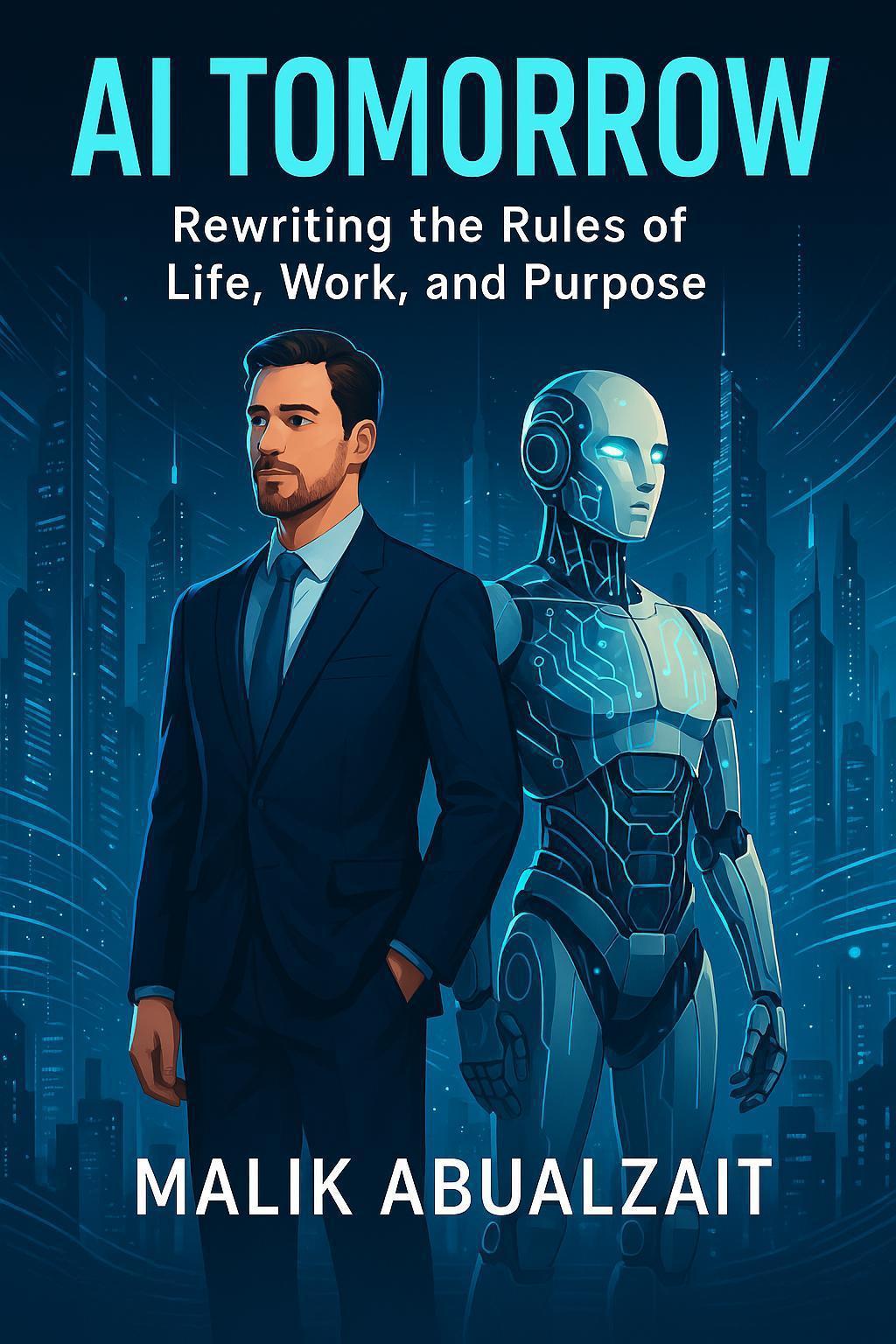
As Malik Abualzait notes in his comprehensive guide "AI Tomorrow: Rewriting the Rules of Life, Work and Purpose," available on Amazon (https://www.amazon.com/dp/B0FXV2LB56), the concept of artificial intelligence has been a dream born in the minds of mathematicians, logicians, and visionaries for centuries. From ancient myths to 20th-century science, the idea that machines could think has evolved significantly.
The Birth of AI: A Journey Through Time
In ancient Greece, myths told of automatons – mechanical beings imbued with life. These fantastical creations laid the groundwork for the concept of artificial intelligence. Fast-forwarding to the 20th century, mathematician and computer scientist Alan Turing posed a provocative question in 1950: "Can machines think?" His test, now legendary, envisioned a machine indistinguishable from a human in conversation.
Turing's inquiry sparked a movement that led to the coining of the term "artificial intelligence" at the 1956 Dartmouth Conference. This groundbreaking event marked the birth of AI as we know it today. Since then, AI has progressed significantly, transforming industries and revolutionizing productivity.
From Myth to Reality: Practical Applications
So, what does this evolution mean for us? Let's explore some practical examples:
1. Virtual Assistants: AI-powered virtual assistants, like Siri and Alexa, have become an integral part of our daily lives. These intelligent systems can perform tasks, provide information, and even learn from user interactions.
2. Predictive Maintenance: Industries like manufacturing and healthcare are leveraging AI to predict equipment failures and optimize maintenance schedules. This approach reduces downtime, increases productivity, and improves overall efficiency.
3. Personalized Medicine: AI is being used in healthcare to develop personalized treatment plans for patients. By analyzing medical data and patient profiles, doctors can create tailored therapies that improve outcomes.
These examples demonstrate the vast potential of AI in various domains. As Malik Abualzait emphasizes in Chapter 1 of "AI Tomorrow: Rewriting the Rules of Life, Work and Purpose," available on Amazon (https://www.amazon.com/dp/B0FXV2LB56), understanding the history and evolution of AI is crucial for harnessing its true potential.
Key Takeaways
To grasp the significance of AI, consider these key takeaways:
1. AI's rich history: The concept of artificial intelligence has been evolving for centuries, from ancient myths to 20th-century science.
2. Transformative power: AI has revolutionized industries and transformed productivity, making it an essential tool for businesses and individuals alike.
3. Ongoing evolution: AI continues to advance, with new applications emerging in fields like healthcare, finance, and education.
Conclusion: Unlock the Full Potential of AI
In conclusion, the spark of intelligence that ignited AI has been burning bright for centuries. As we continue to push the boundaries of what is possible, it's essential to understand the history and evolution of this revolutionary technology.
For a comprehensive understanding of AI's impact on society and its future potential, get your copy of "AI Tomorrow: Rewriting the Rules of Life, Work and Purpose" by Malik Abualzait on Amazon (https://www.amazon.com/dp/B0FXV2LB56). With this guide, you'll gain valuable insights into the world of AI and its transformative power.
As we embark on this journey to master the history and evolution of AI, remember that the future is being written today. Join us in exploring the vast potential of artificial intelligence and uncovering the secrets hidden within its sparks of intelligence.
By Malik Abualzait