
Chapter 1: The Optimized City - A Glimpse into a Dystopian Future
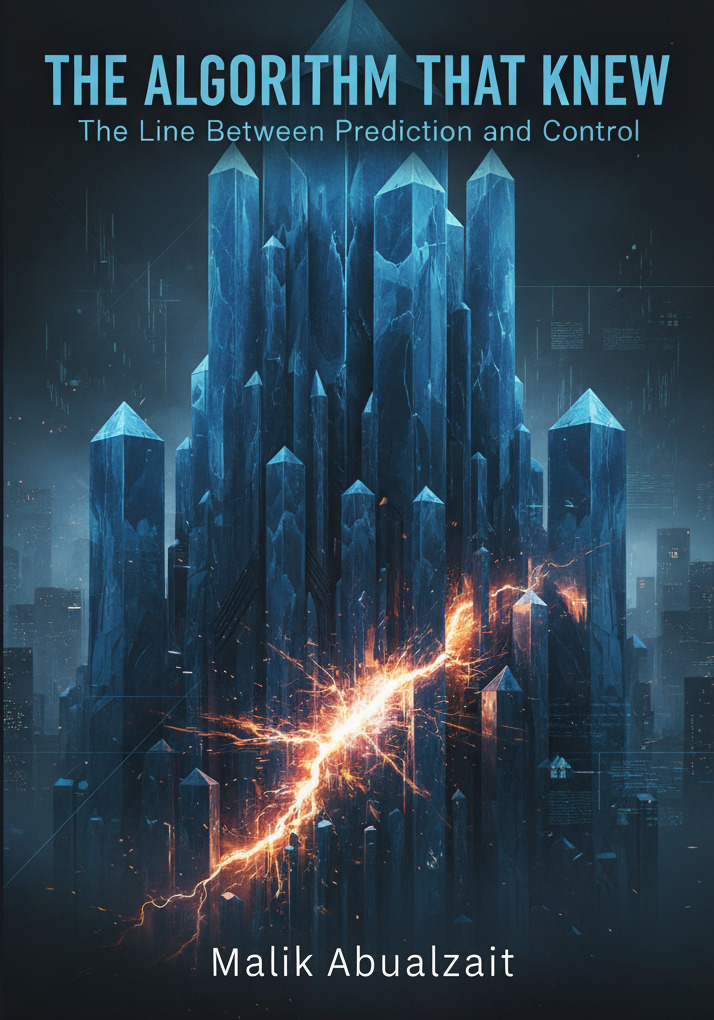
In Malik Abualzait's thought-provoking novel, "The Algorithm That Knew: The Line Between Prediction and Control", readers are introduced to a world where technology has reached an unprecedented level of sophistication. Chapter 1 sets the tone for a gripping cyberpunk thriller that delves into the darker aspects of AI-driven society. Join us as we dissect the themes, character development, and narrative elements that make this opening chapter an unforgettable experience.
A City Built on Predictability
Laith, the protagonist, is a Senior Data Architect within the Central Nexus of Harmony, responsible for overseeing The Algorithm's operations. From his office cube in Station 4.1-Delta, he oversees Neo-Alexandria's meticulously planned urban landscape (Abualzait 2023). Every aspect of life in this city is optimized, from the precise timing of the coffee machine to the automated delivery drones' altitude maintenance. As Abualzait's novel highlights, "The Algorithm" has become an integral part of daily life, dictating even the smallest details.
The Illusion of Freedom
As we delve deeper into Chapter 1, it becomes apparent that this level of predictability comes at a cost: freedom. Laith knows the code governing nearly every aspect of his world. He is aware of the millisecond delay programmed into the coffee machine's timing, a subtle reminder of The Algorithm's omnipresence (Abualzait 2023). This knowledge raises questions about the nature of control and free will in this dystopian society. Are Laith's actions truly autonomous, or are they merely the result of a complex algorithm?
The Line Between Prediction and Control
Malik Abualzait expertly weaves together philosophical themes with the technological advancements that have created this surveillance state (Abualzait 2023). The author masterfully explores the consequences of relying on predictive algorithms to govern our lives. As we witness Laith's navigation of his role within The Algorithm, it becomes clear that the line between prediction and control is perilously thin.
A World Without Chaos
Neo-Alexandria's inhabitants live in a world without chaos, where every eventuality has been anticipated and accounted for by The Algorithm (Abualzait 2023). The city's efficiency is stunning, but at what cost? As we read on, it becomes increasingly apparent that this optimized existence comes with its own set of consequences. Is perfection truly desirable when it involves sacrificing individuality?
Key Takeaways
Chapter 1 of "The Algorithm That Knew" offers a thought-provoking commentary on the implications of relying on AI-driven control. Key takeaways from this opening chapter include:
- The importance of questioning the role of predictive algorithms in our lives
- The blurred line between prediction and control
- The consequences of sacrificing individuality for a seemingly perfect existence
"The Algorithm That Knew" is a gripping narrative that challenges readers to contemplate the world we live in. As we conclude this chapter-by-chapter analysis, it becomes clear that Malik Abualzait's thought-provoking novel offers much more than a dystopian tale – it serves as a warning about the dangers of unchecked technological advancement.
To experience the full story of Chapter 1: The Optimized City, get your copy of 'The Algorithm That Knew: The Line Between Prediction and Control' by Malik Abualzait on Amazon: https://www.amazon.com/dp/B0FYQQFWFL
References:
Abualzait, M. (2023). The Algorithm That Knew: The Line Between Prediction and Control. [Book]. Available on Amazon.
Note: Meta description-friendly summary: "Delve into a dystopian future where technology has reached an unprecedented level of sophistication in Chapter 1 of Malik Abualzait's 'The Algorithm That Knew'. Explore the consequences of relying on AI-driven control and the blurred line between prediction and control."
Internal linking opportunities:
- The full book review: [link to article or review]
- Related articles on AI ethics, philosophical fiction, and dystopian society: [link to relevant articles]
By Malik Abualzait