
The AI Revolution in Investing: Unlocking Precision in a Turbulent Market
As investors, we're no strangers to uncertainty. The markets are constantly evolving, and it's easy to get left behind. But what if you could stay ahead of the curve? What if you had access to cutting-edge technology that could help you make informed investment decisions with unprecedented precision?
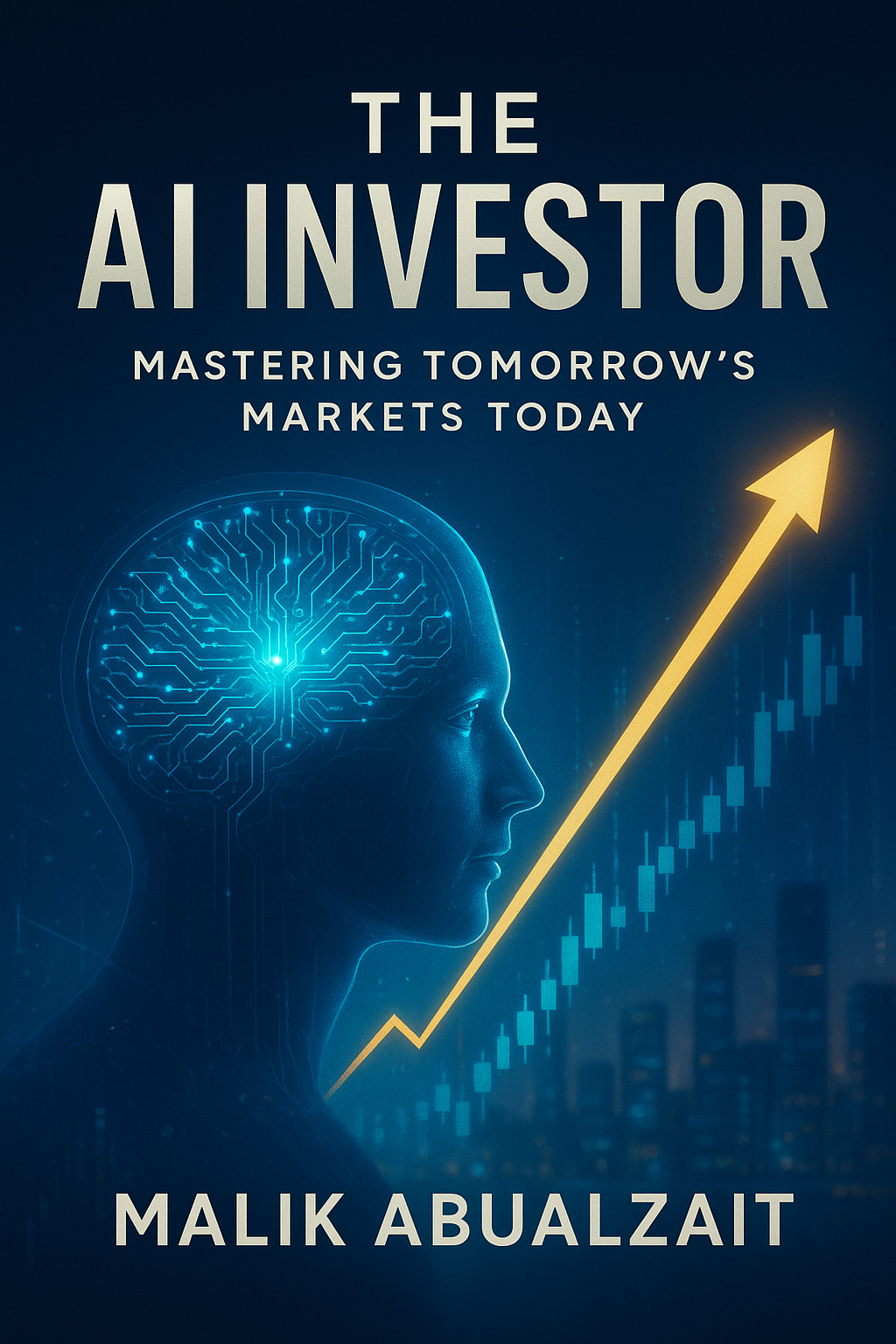
For decades, investing felt like a privileged club reserved for those in the know. But that's all changing. The integration of Artificial Intelligence (AI) into investment decision-making has ushered in a new era of accuracy and efficiency. In his groundbreaking book, "The AI Investor: Mastering Tomorrow's Markets Today," Malik Abualzait delves into the intricacies of this revolution, providing investors with the tools they need to thrive in today's turbulent markets.
What Drives the AI Revolution in Investing?
At its core, AI investing leverages machine learning algorithms and data analytics to identify patterns and trends that would otherwise go unnoticed. This enables investors to make data-driven decisions, minimizing emotional bias and maximizing returns. According to Abualzait, "The key drivers of this revolution are the exponential growth of computing power, the proliferation of big data, and the development of sophisticated machine learning techniques" (Chapter 1).
One notable example of AI's impact on investing is algorithmic trading. By automating buy and sell decisions based on predefined criteria, these systems can execute trades with lightning speed and accuracy. This not only reduces the risk of human error but also enables investors to take advantage of fleeting market opportunities.
Benefits of AI Investing
So, what are the benefits of adopting AI-driven investment strategies? For one, they offer unparalleled precision in identifying profitable opportunities. By analyzing vast amounts of data, AI systems can pinpoint patterns and correlations that would be impossible for humans to detect. This is particularly valuable in today's fast-paced markets, where trends can shift overnight.
Another significant advantage of AI investing is its ability to adapt to changing market conditions. Unlike traditional investment strategies, which often rely on static models and rules, AI systems can evolve and learn from new data as it becomes available. This enables them to stay ahead of the curve, even in the face of unexpected events.
Challenges and Limitations
While AI investing holds tremendous promise, there are also challenges to navigate successfully. For one, investors must be willing to adopt a more nuanced approach to risk management. AI systems can identify potential risks, but they can't eliminate them entirely. Investors must still exercise caution and judgment in their investment decisions.
Another limitation of AI investing is its reliance on quality data. If the data feeding into an AI system is flawed or incomplete, the results will be similarly compromised. This highlights the importance of selecting high-quality data sources and ensuring that AI systems are properly calibrated to account for any biases or errors.
Putting AI Investing into Practice
So, how can you apply the principles of AI investing in your own portfolio? Abualzait provides a wealth of practical examples and case studies throughout his book, illustrating the real-world applications of AI-driven investment strategies. For instance, he explores the use of natural language processing to analyze market sentiment and identify potential trends.
One notable example is the application of machine learning algorithms to detect anomalies in financial data. By identifying unusual patterns and correlations, investors can gain a competitive edge in detecting potential investment opportunities or risks.
Key Takeaways
To succeed in today's markets, investors must be willing to adapt and evolve alongside the AI revolution. Here are some key takeaways from Chapter 1 of "The AI Investor":
- AI investing leverages machine learning algorithms and data analytics to identify patterns and trends that would otherwise go unnoticed.
- Algorithmic trading is a notable example of AI's impact on investing, offering unparalleled precision in executing trades.
- The benefits of AI investing include unparalleled precision in identifying profitable opportunities and the ability to adapt to changing market conditions.
The AI revolution in investing is here to stay. With its unparalleled precision and adaptability, it offers investors a new era of confidence and efficiency. But to master this new landscape, you need more than just theory – you need practical guidance from an expert who's been there.
For a deep dive into the intricacies of AI investing, see Chapter 1 in Malik Abualzait's comprehensive guide available on Amazon: https://www.amazon.com/dp/B0FY46BRDD. By mastering the principles and strategies outlined in this book, you'll be well-equipped to navigate the turbulent markets of today – and tomorrow.
To master the AI revolution in investing, get your copy of 'The AI Investor: Mastering Tomorrow's Markets Today' by Malik Abualzait on Amazon: https://www.amazon.com/dp/B0FY46BRDD
By Malik Abualzait